Working papers, publications & articles
Research & Articles
Research on the economics of digital assets, tokenization, stablecoins, and AI — from the MIT Digital Currency Experiment and the economics of the blockchain to stablecoin design, CBDCs, and the economics of AGI. Articles link out to the publishing outlet.
MIT Cryptoeconomics Lab — the lab behind this research, at MIT Sloan →
Papers

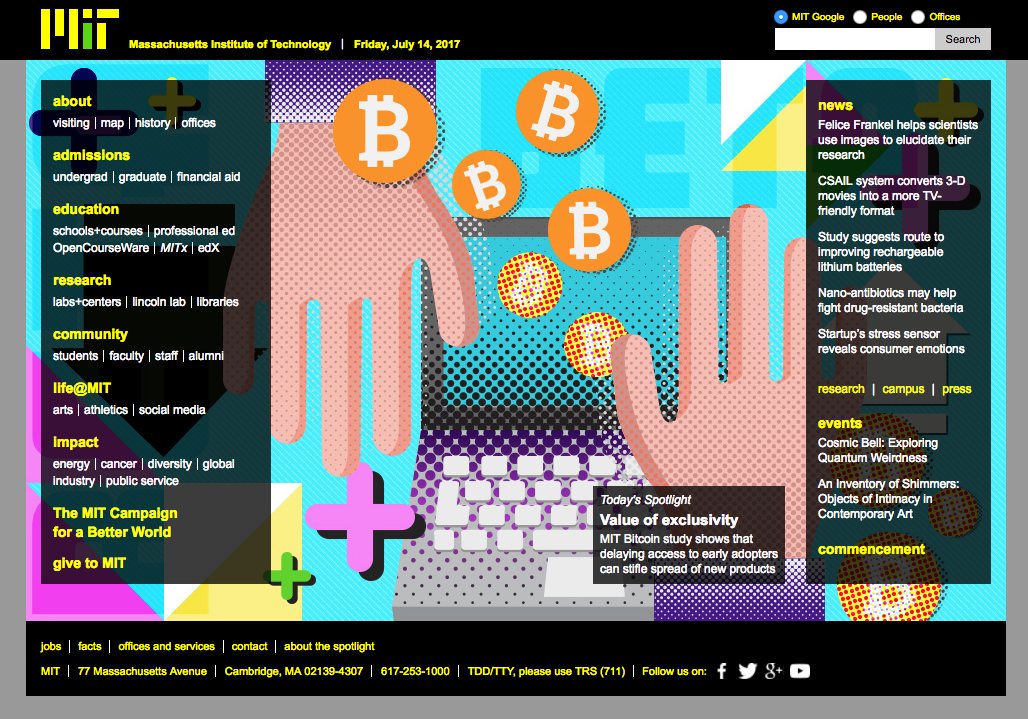
When Early Adopters Don't Adopt
Published: Science, Vol. 357, Issue 6347, pp. 135–136 · DOI: 10.1126/science.aal4476

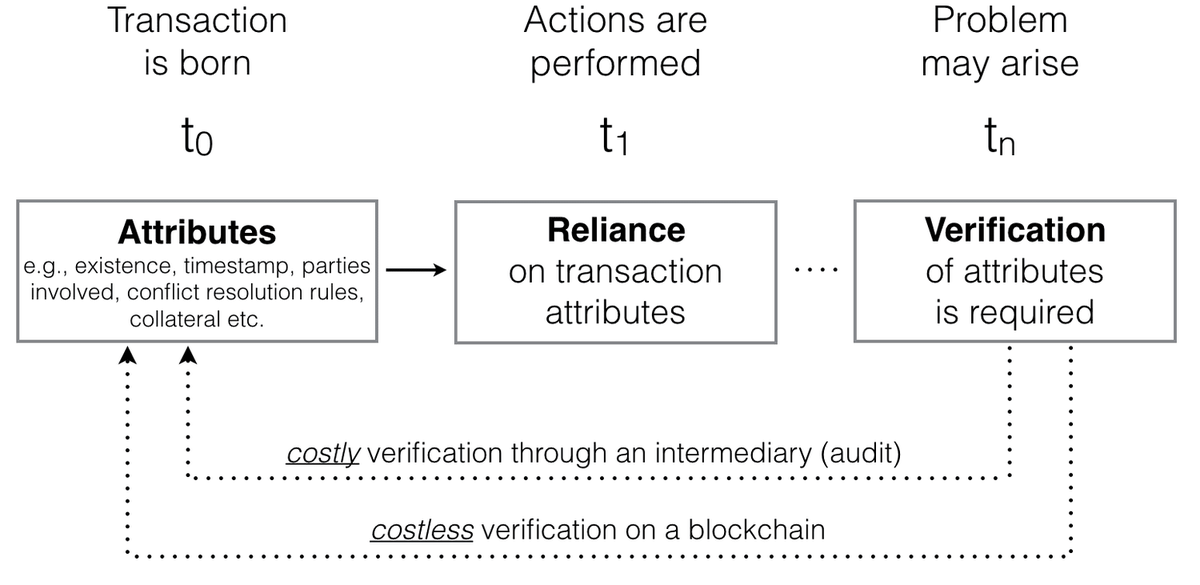
Some Simple Economics of the Blockchain
Published: Communications of the ACM, Vol. 63, No. 7 (July 2020), pp. 80–90 · DOI: 10.1145/3359552
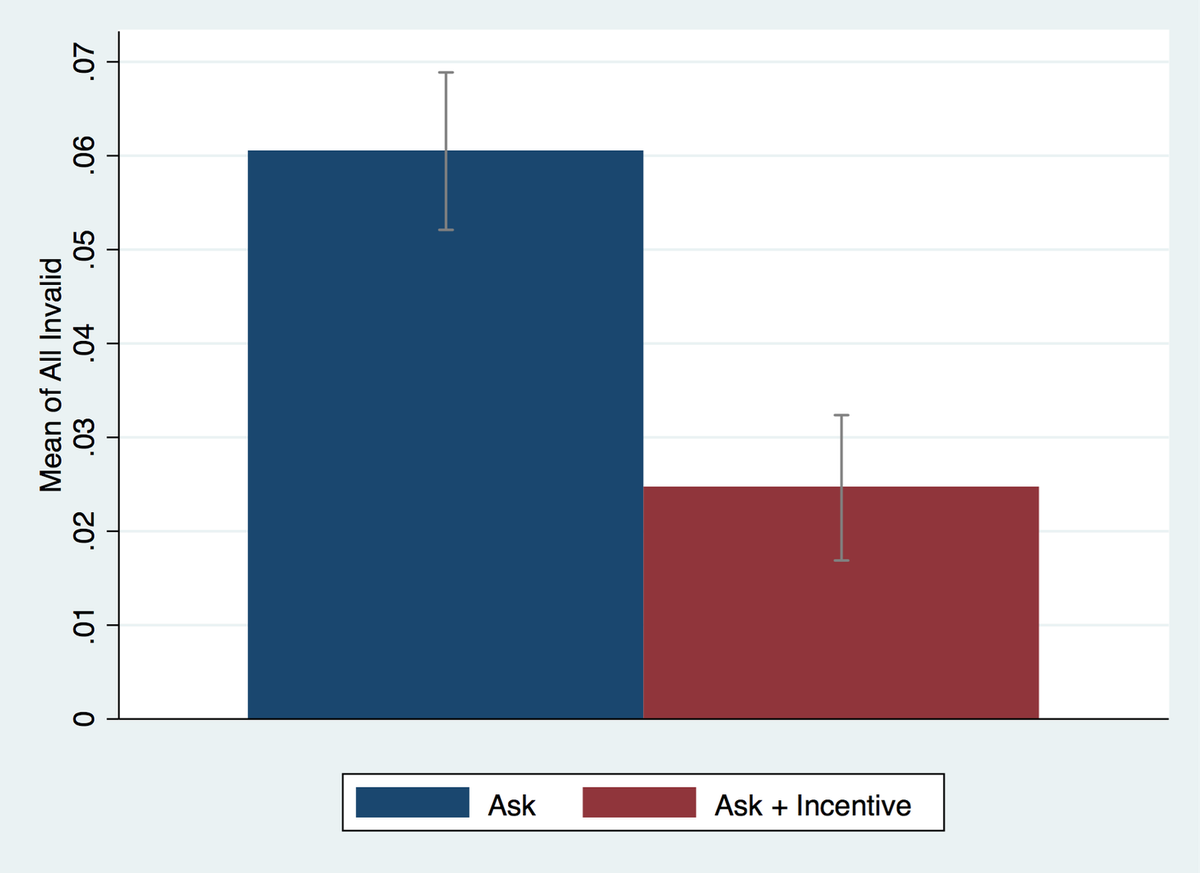
The Digital Privacy Paradox and Choice Architecture: Evidence from an Experiment in Fintech
Published: MIS Quarterly, 2026
More papers
- How Will Stablecoins Integrate with the Financial System? — Centre for International Governance Innovation, 2025
- Some Simple Economics of Stablecoins — Annual Review of Financial Economics, 2021
- From Stablecoins to CBDCs: The Public Benefits of a Public-Private Partnership — Working paper, 2021
- On the Economic Design of Stablecoins — Working paper, 2021
- Setting Standards for Stablecoin Reserves — Working paper, 2021
- Markets for Crypto Tokens, and Security under Proof of Stake — Working paper, 2021
- Why Is the United States Lagging Behind in Payments? — Working paper, 2021
- Antitrust and Costless Verification: An Optimistic and a Pessimistic View of Blockchain Technology — Antitrust Law Journal, 2019
- Market Design for a Blockchain-Based Financial System — Working paper, 2019
- Blockchain Technology and Cryptocurrencies: Implications for the Digital Economy, Cybersecurity, and Government — Georgetown Journal of International Affairs, 2018
- Technological Opportunity, Bubbles and Innovation: The Dynamics of Initial Coin Offerings — Working paper, 2018
- Blockchain Technology and Organization Science: Decentralization Theatre or Novel Organizational Form? — Working paper, 2018
Stablecoins
Why An Open Standard Will Win The Stablecoin Race
More than 140 companies — many of them fierce competitors — agreed to back the same neutral stablecoin. Why stablecoin issuance was never meant to be a profit center, and why open standards beat branded rails.
The Banks Would Like To Dye Your Stablecoins Pink
Banks earn their spread by paying nothing on deposits, so their instinct is to make stablecoins behave like deposits. On the fight over what digital dollars will be allowed to do.
What Stablecoin Regulation Means for Business
What the new U.S. stablecoin rulebook means for operators and corporate strategy.
How Banks Learned To Stop Worrying And Love Stablecoins
When Libra was announced in 2019, the financial establishment feared stablecoins would break banks' hold on deposits. Why the existential fear faded — and how banks now stand to use the technology.
The Trillion-Dollar Battle for Money's Operating System
Proprietary 'CorpChains' versus open networks: the platform war over the rails of the global economy.
The Unwitting Kingmaker: Why Washington's GENIUS Act Could Accidentally Crown a Stablecoin Superpower
How the GENIUS Act's design could accidentally concentrate the stablecoin market — and how to stop it.
Stripe's Tempo And The Ghost Of Facebook's Libra's Past
Stripe's corporate blockchain revives the questions Libra raised: who should control the rails of global payments, and what a 'grand bargain' with a fintech giant would cost.
The Stablecoin Wars
PayPal, Coinbase, Circle, and the banks are racing for the stablecoin market. Why the fight over money movement is more likely to end in competition and fragmentation than winner-take-all.
Why Everyone Is Wrong About Stablecoins
Stripe's billion-dollar Bridge acquisition says less about issuance and more about distribution: stablecoins need a complementary business model, dollarization is not a product, and there will not be a single winner.
The Race to Dominate Stablecoins
The competitive dynamics deciding who wins the stablecoin market.
Are Stablecoins Winner-Take-All?
Do network effects make stablecoins tip toward a single winner? Why the peg — a stablecoin's most important feature — is also its commoditizing weakness.
Stablecoins and the Future of Money
Why stablecoins matter, how they should be regulated, and what they mean for the future of money.
It's Time to Knock Down the Walled Gardens of the Payments System
The case for open, interoperable payment rails over the closed networks that dominate today's payments system.
Digital Assets
Crypto Is Ready To Be Boring Now
With regulation in place and the infrastructure maturing, crypto's building blocks are finally ready to disappear into the background — and boring is what winning looks like.
Does Bitcoin Belong on Your Balance Sheet?
A framework for deciding whether — and when — a corporate treasury should hold bitcoin.
Economists Are Still Puzzled By Bitcoin—Should Anyone Be?
When Kenneth Rogoff publicly apologized for underestimating Bitcoin, it was worth paying attention — but even after the mea culpa, much of what Bitcoin represents is still misunderstood.
Stripe Is Building A Blockchain: Can Openness Survive Branded Rails?
Stripe is quietly building a high-performance blockchain. The paradox: the more usable stablecoins become, the more they risk re-centralizing crypto around branded rails.
What Everyone Gets Wrong About Crypto Adoption
Worldcoin's reboot shows what everyone gets wrong about crypto adoption: real utility first, tokens later. Bitcoin's formula cannot simply be copy-pasted.
With Dollar Hegemony At Risk, Could This Be Crypto’s Moment?
With tariffs shaking confidence in the dollar, could crypto benefit? Why neither Bitcoin, the euro, nor the RMB is ready to replace dollar rails — and what a basket approach would take.
Bitcoin Reserves Won't Secure America's Future—Only A Platform Play Will
Stockpiling Bitcoin won't secure America's financial future; extending the dollar's platform with open, interoperable rails will.
The Internet Of Money Wants To Be Free
Coinbase's white paper and Satoshi's original breakthrough point the same way: money, like information, wants to move freely — and permissionless networks are how it gets there.
Should the United States Implement a Bitcoin Strategic Reserve?
Weighing the case for a U.S. strategic bitcoin reserve.
How The SEC's Attack On NFTs Harms Creators
The SEC's Wells Notice to OpenSea treats digital art and collectibles like securities. Why that reading harms creators rather than protecting them.
Is Crypto's Killer App Finally Here?
Crypto is a general-purpose technology, and like the internet it needs decades — and a killer app — to go mainstream. Stablecoins look like the first one.
Do Crypto Prices Actually Mean Anything?
What crypto asset prices do — and don't — tell us about underlying value.
How Digital Currencies Can Help Small Businesses
Cheaper, faster payment rails as a lifeline for small-business margins.
Can Web3 Bring Back Competition to Digital Platforms?
Can portable, user-owned digital assets restore contestability to platform markets dominated by a few gatekeepers?
DeFi, Disintermediation, and the Regulatory Path Ahead
How regulators should approach decentralized finance and disintermediation.
Bitcoin and Beyond
Digital ledgers beyond bitcoin: what the technology is actually good for.
Artificial Intelligence
Working paper
Some Simple Economics of AGI
A unified economic theory of the AGI transition. As the cost to automate falls faster than the cost to verify, a widening Measurability Gap separates what agents can execute from what humans can afford to verify — making verification, not intelligence, the binding constraint on growth. The framework partitions work into four regimes, formalizes measurability-biased technical change, and shows how unverified deployment drifts toward a Hollow Economy of counterfeit utility unless observability, accelerated mastery, and graceful degradation expand society's verification bandwidth.
Intelligence Wants to Be Free
A fork in the road for AI policy: bureaucratized, permissioned intelligence — or distributed, market-driven access to it.
Where Self-Improving AI is the Beginning of Infinity (And Where It Hits a Wall)
AI that improves AI is here, and it is already being rationed. Where recursive self-improvement compounds — and where it hits the wall of verification.
Bot Chargebacks, Voyages, and AI Liability
What 17th-century maritime commerce teaches about liability when AI agents transact on our behalf.
What Gets Measured, AI Will Automate
Measurability decides which work AI automates first — and where humans stay in the loop.
Can Crypto's Scarcity Tame AI's Infinite Abundance?
Can crypto's engineered scarcity counter AI's infinite abundance? The second installment of a four-part series on where the two technologies actually intersect.
Decentralizing AI—Big Dreams, Bigger Hype?
Can crypto decentralize AI's compute, its data, or its business models? A first-principles look that finds the hype running ahead of the reality.
More on the economics of AI at catalini.com — or subscribe to Christian Catalini's Substack.
Earlier articles
Why Blockchain Can Be Good For Competition
In the permissioned-versus-permissionless debate it is easy to miss the point: open blockchains keep markets contestable in ways closed corporate ledgers cannot.
Seeing Beyond the Blockchain Hype
Christian Catalini interviewed by Paul Michelman. After eluding close inspection by most business leaders outside of the tech and financial sectors, blockchain technology has recently taken center stage in the conversation about management's digital makeover. Indeed, many believe the impact of blockchain on the ways organizations function and produce value may be greater than the technologies that have grabbed most of our recent attention — data and analytics, the cloud, even artificial intelligence.

How Blockchain Technology Will Impact the Digital Economy
The survival of any organization depends on its ability to outperform competitors and marketplaces in attracting and rewarding talent, ideas and capital. As communication and transaction costs have drastically declined because of the internet, new platforms have emerged, delivering goods and services at a speed and efficiency previously unimaginable.

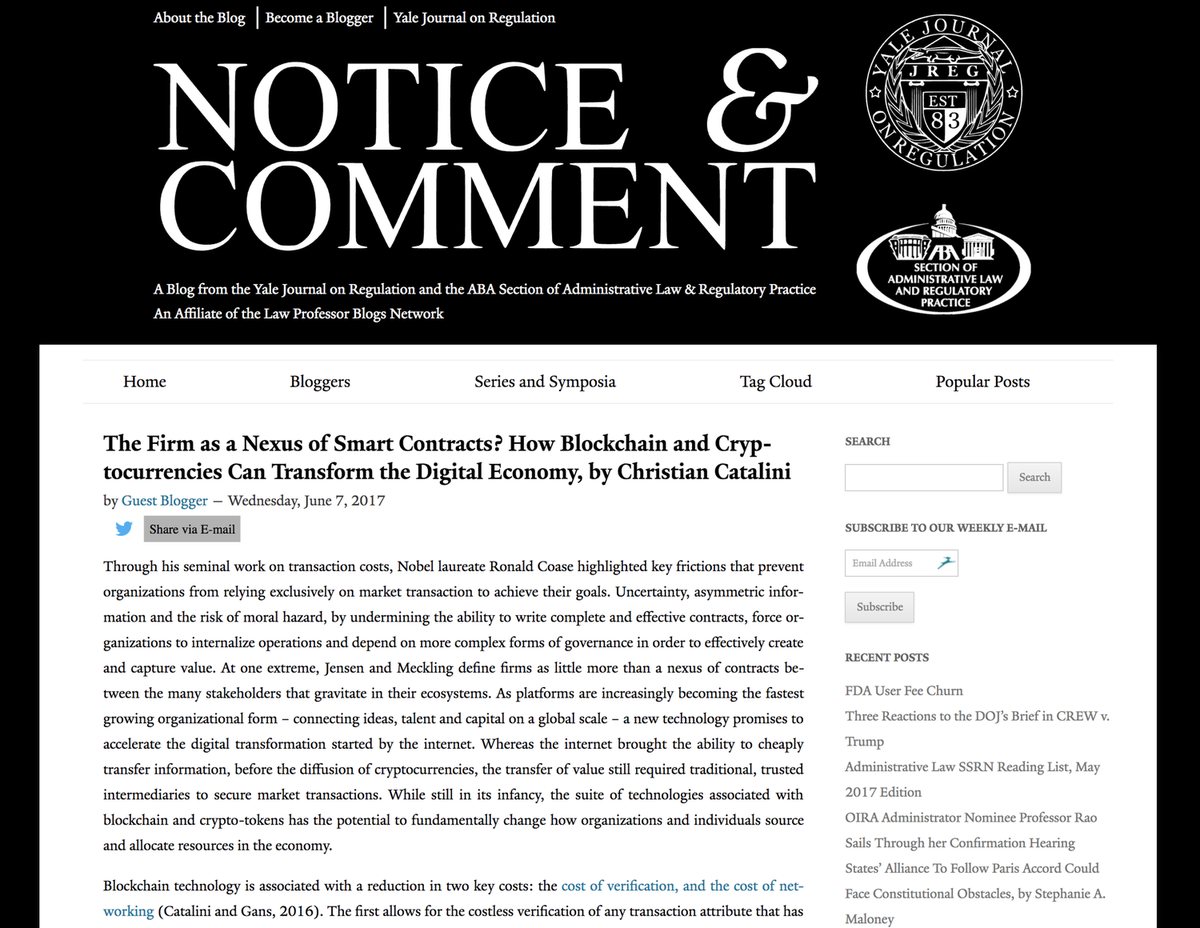
The Firm as a Nexus of Smart Contracts? How Blockchain and Cryptocurrencies Can Transform the Digital Economy
Through his seminal work on transaction costs, Nobel laureate Ronald Coase highlighted key frictions that prevent organizations from relying exclusively on market transaction to achieve their goals. Uncertainty, asymmetric information and the risk of moral hazard, by undermining the ability to write complete and effective contracts, force organizations to internalize operations and depend on more complex forms of governance in order to effectively create and capture value. At one extreme, Jensen and Meckling define firms as little more than a nexus of contracts between the many stakeholders that gravitate in their ecosystems. As platforms are increasingly becoming the fastest growing organizational form — connecting ideas, talent and capital on a global scale — a new technology promises to accelerate the digital transformation started by the internet…
How Blockchain Applications Will Move Beyond Finance
To understand the transformation that's being brought about by blockchain technology, it's useful to start with its largest implementation to date: bitcoin. In the fall of 2014 my colleague Catherine Tucker and I conducted a large-scale experiment at MIT, in which 4,494 undergraduate students were offered access to bitcoin. The vast majority of students ended up hoarding the cryptocurrency, in the expectation that it would increase in value.